Why Your Car Keeps Eating Tires — Alignment, Suspension, and Driving Habits in Pontiac
A practical guide to the most common causes of rapid or uneven tire wear in Pontiac—what the wear patterns mean, how local roads and driving habits contribute, and how a focused inspection at Pontiac Auto Repair can stop you from replacing tires all the time.
What we mean by "eating tires"
When people say a car is "eating tires," they mean tires are wearing out much faster than expected or wearing in uneven patterns that shorten life and hurt safety. Instead of gradual, even wear across the tread, you might see one shoulder bald, inner-edge wear, cupping, or feathering. Those visible patterns are clues — and they tell a trained technician where to look first.
Common wear patterns and what they indicate
Inner- or outer-edge wear usually points to alignment problems (camber or toe issues). Center wear often comes from chronic overinflation, while edge wear across both shoulders points to underinflation. Cupping or scalloped dips in the tread commonly mean worn shocks or other suspension components. Feathered tread — a sawtooth pattern when you run a finger across the tire — usually means incorrect toe settings or misaligned steering components.
Why alignment matters (and when to check it)
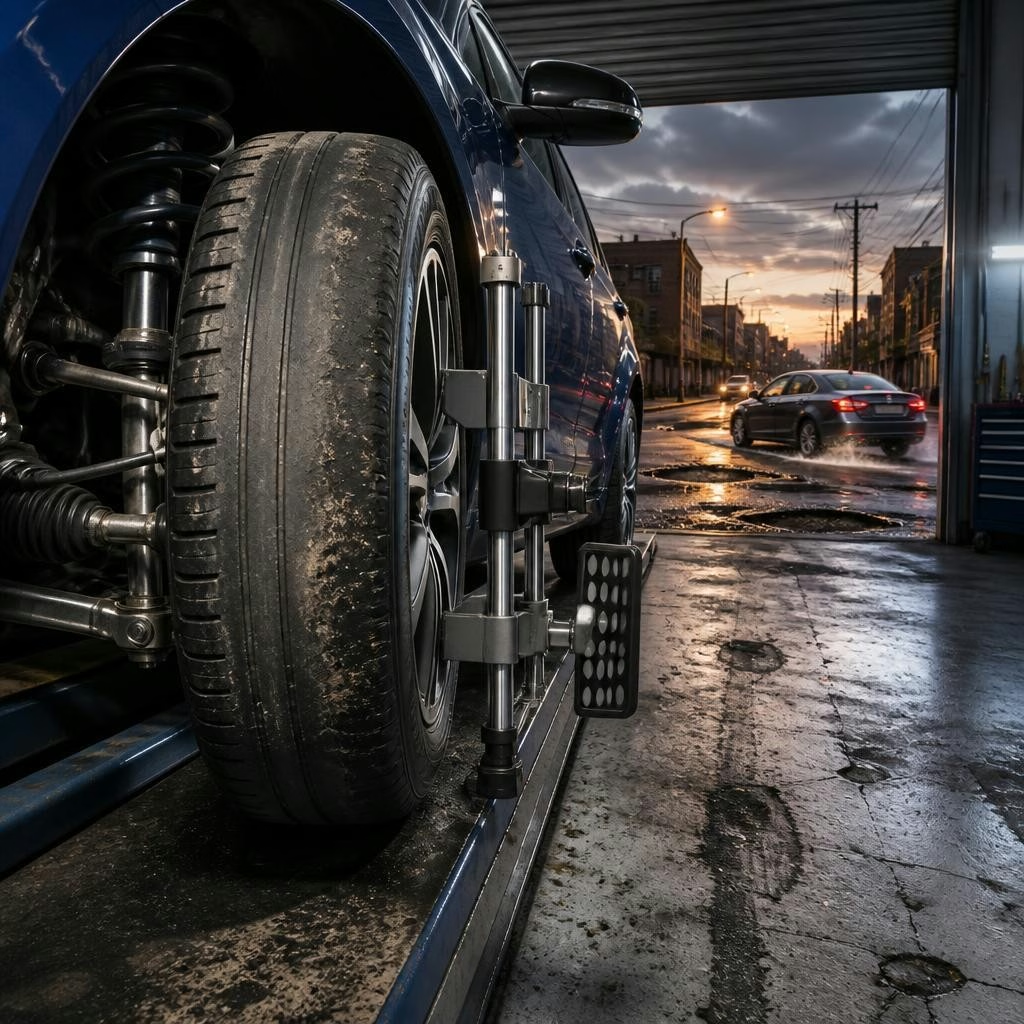
Wheel alignment controls how your tires meet the road. Small deviations in toe, camber, or caster add stress to specific parts of the tire, accelerating wear. Check alignment after hitting big potholes, after replacing suspension parts or tires, or if your steering wanders or the car pulls to one side. Pontiac Auto Repair lists wheel alignment and suspension service among its offerings; a targeted alignment check is often the first, most cost-effective step to stop uneven wear.
Suspension and steering: the hidden culprits
Worn shocks, struts, ball joints, tie rods, and bushings change how the tire stays planted through corners and over bumps. When suspension parts are loose or degraded, the tire can hop, tilt, or skip on the road, which produces cupping and patchy wear. If you hear clunks, feel vibration, or notice unstable handling, have the suspension inspected—repairing worn components pays for itself by prolonging tire life.
Tire care basics: pressure, rotation, balancing
Maintaining the correct tire pressure is simple and powerful: check pressure monthly and before long trips. Underinflated tires flex more and wear the shoulders; overinflated tires wear the center. Rotate tires every 5,000–7,500 miles (or per your vehicle’s recommendations) to even out wear between axles. Balancing helps prevent vibration that leads to uneven wear and suspension stress. Pontiac Auto Repair provides tire rotation, balancing, and replacement services—small, regular steps that add up to much longer tire life.
Local factors: potholes, curbs, and Pontiac roads
Oakland County roads and city streets can have potholes, sharp curbs, and rough patches that quickly upset alignment and damage suspension parts. Hitting a pothole can cause immediate misalignment or even a slow leak; many customers appreciate quick, inexpensive fixes for punctures and small repairs that keep a vehicle on the road. Avoiding hazards where possible, slowing for rough sections, and getting a post-impact inspection can prevent accelerated tire loss.
What a targeted inspection covers and what to expect
A focused tire-wear inspection looks at tread depth across each corner, measures toe/camber/caster, checks tire pressure and balance, and examines shocks, struts, ball joints, and tie rods. Expect the tech to point out wear patterns, explain likely causes, and recommend prioritized fixes—alignment, suspension repairs, tire rotation, or a simple patch if appropriate. Pontiac Auto Repair emphasizes straightforward explanations and fair pricing, and customers frequently note honest recommendations and clear communication when they bring in tire or alignment concerns.
Quick action plan to stop tires from disappearing
Start with a monthly pressure check and visual walk-around. If you notice uneven wear, vibration, pulling, or recent pothole impacts, schedule a targeted inspection that includes alignment and suspension checks. Rotate and balance tires at regular intervals, and replace worn shocks or steering parts rather than postponing. If you’re in Pontiac or Oakland County and want help diagnosing tire wear, bring the car to Pontiac Auto Repair for a practical, honest assessment—small repairs now often save you the cost of multiple new tires later.
Article by
Pontiac Auto Repair
Meet Jay, our honest owner and recovering automotive engineer who's all about building real relationships, not emptying your wallet. He knows word-of-mouth and thrilled repeat customers are the heart of success in today's online world—just check our bustling shop and glowing reviews. Whether it's routine maintenance or complex fixes, we're here for straightforward, reliable solutions. Swing by or give us a call today for an honest chat about your car troubles.