Suspension and Steering Noises in Pontiac: When That Clunk or Rattle Becomes a Safety Issue
Learn the common causes of suspension and steering noises on Michigan roads, simple checks you can do at home, and how an honest inspection separates harmless wear from dangerous problems before they get worse.
Why Michigan Roads Make Your Car Noisy
Potholes, cracked pavement, and rough winter streets around Pontiac and Oakland County put extra stress on suspension and steering parts. Over time that stress shows up as clunks, rattles, knocks or a wandering steering feel. Some noises are just annoying; others are early warnings of worn components that affect handling and safety. Knowing the difference helps you decide whether a weekend DIY check will do or if you should bring the car in for a professional inspection.
Common culprits behind clunks and rattles
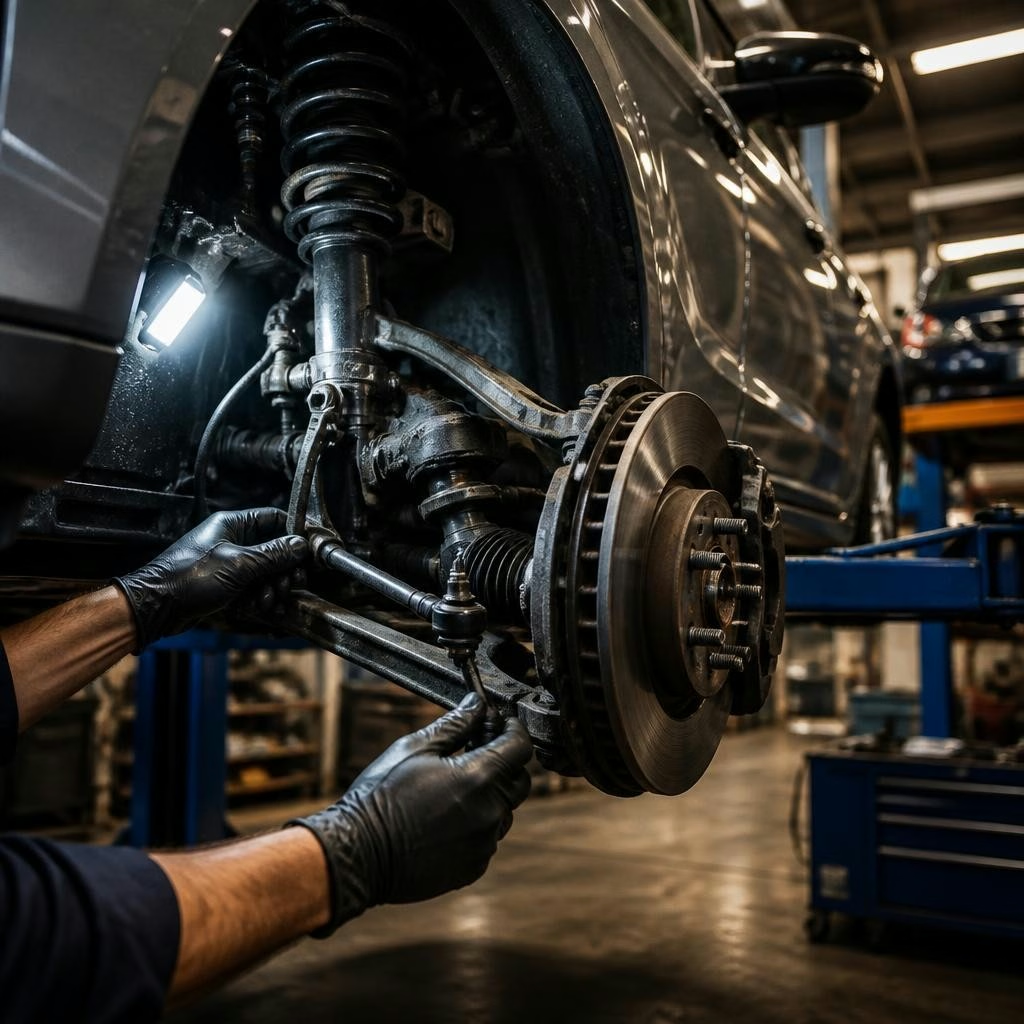
Typical sources of suspension and steering noises include worn ball joints, failing tie rod ends, tired control arm bushings, broken sway bar links, loose strut mounts, and failing shock absorbers or springs. Wheel bearings and loose or damaged exhaust or heat shields can also produce sounds that seem like suspension problems. Since many of these parts are listed under routine services—wheel alignment, suspension repair, and engine diagnostics—it's worth checking them early.
How to tell minor wear from a safety issue
If a noise only happens over a particular bump and the car otherwise steers and brakes normally, it may be a worn bushing or sway bar link. Red flags that point to a safety risk include clunks while steering, excessive play or looseness in the steering wheel, pulling to one side, uneven tire wear, or a pronounced change in ride height. Any of those symptoms mean you should stop delaying a professional inspection—wandering steering or loose suspension parts can lead to loss of control.
Quick checks you can do at home
Before you head to a shop, do a few simple checks: with the engine off, turn the wheel while parked to listen for roughness; bounce each corner of the car to feel for weak shocks; inspect visible bushings and rubber boots for cracks or leaks; and look for loose components under the car, including exhaust shields. Also note when the noise happens (over bumps, during turns, on acceleration) and whether it’s from front or rear—that information helps speed up diagnosis at the shop.
What a thorough shop inspection looks like
A complete inspection should include a road test to reproduce the noise, a hands-on lift inspection to check ball joints, tie rods, control arms, sway bar links, shocks/struts, and wheel bearings, plus alignment and tire checks. Shops that do engine diagnostics and suspension repair can often identify secondary issues—like a failing wheel bearing or alignment problem—that make noises worse. Ask the technician to show you worn parts and explain the safety implications before any repairs are done.
How we approach diagnosis and repairs at Pontiac Auto Repair
At Pontiac Auto Repair, Jay and the team focus on honest, clear inspections and practical recommendations. Customers commonly note they get straightforward explanations, fair pricing, and quality work—so you’ll know whether a quick bushing swap will do or if a worn steering component needs immediate attention. We offer services that cover these issues, including suspension repair, wheel alignment, steering and suspension component replacement, and engine diagnostics when noises are harder to trace.
Timing, costs, and what to expect
Because a proper diagnosis can require a road test and a lift inspection, repairs sometimes take longer than a quick visit—your shop may be busy, especially in-season. While we can’t quote prices here, expect shops that emphasize doing the job right to prioritize safety over speed. If you’re concerned about time, ask for an estimated timeline when you call and whether there are interim fixes to keep you safe until a full repair can be completed.
Next steps: when to bring your car in
If you hear consistent clunks, notice steering play, or experience pulling or uneven tire wear, bring the car in sooner rather than later. Jot down when and where the noise happens and share that with the technician—that context speeds diagnosis. If you’re local to Pontiac or Oakland County and want an honest inspection, expect a candid explanation of safety priorities, what needs immediate attention, and what can wait. A timely, clear inspection can stop a small rattle from becoming a costly—or dangerous—repair.
Article by
Pontiac Auto Repair
Meet Jay, our honest owner and recovering automotive engineer who's all about building real relationships, not emptying your wallet. He knows word-of-mouth and thrilled repeat customers are the heart of success in today's online world—just check our bustling shop and glowing reviews. Whether it's routine maintenance or complex fixes, we're here for straightforward, reliable solutions. Swing by or give us a call today for an honest chat about your car troubles.